Home Moves in Greenwich

Moving home in Greenwich with confidence
If you are planning home moves in Greenwich, you are probably looking for a service that understands the area, respects your time, and can handle the practical challenges that come with moving in a busy riverside borough. Greenwich has a mix of period terraces, modern apartment blocks, family homes, maisonettes, and converted buildings, which means no two moves feel the same. A local team can make a real difference by planning around tight streets, parking restrictions, shared entrances, lift access, and the realities of moving belongings safely through lived-in homes.
Whether you are relocating from a flat near Greenwich town centre, moving out of a house in Westcombe Park, or settling into a new property close to Blackheath, the right moving service should feel organised from the first conversation. Good preparation, careful handling, and local knowledge matter just as much as the lorry on the day. That is especially true when moving around Greenwich, where busy roads, resident-only parking zones, and limited loading space can affect timing and access.
This page is designed to help local customers understand what a professional home moving service can include, how the process usually works, what affects the cost, and how to get ready for moving day. If you are planning a full house move, a flat move, or a part-load relocation, contact us today to request a quote and discuss your requirements.

Why a local Greenwich moving team makes moving day easier
Choosing a local team for a Greenwich house move is not just about convenience. It is about working with people who understand the streets, property layouts, and timing issues that can turn a simple move into a stressful one. Greenwich includes a wide range of homes, from compact apartments near the river to larger family houses in quieter residential roads, and each property type creates different access needs. A local mover can plan for narrow staircases, upper-floor walk-ups, secure entry systems, and the need to protect hallways in shared buildings.
In many parts of Greenwich, parking and unloading need to be handled carefully. Some roads are busy during school run hours or commuting periods, while others have permit-only restrictions or limited stopping points. A team familiar with the area can build this into the moving plan, helping reduce delays and making it easier to load and unload without unnecessary stress. That local awareness is especially useful if you are moving with children, pets, or a tight handover deadline.
Home moves are rarely about moving boxes alone. They often involve dismantling furniture, wrapping fragile items, protecting floors and doors, coordinating key collection, and keeping the day moving in a sensible sequence. A well-organised moving service can take the pressure off by handling the practical work while you focus on settling into your new home.
Local knowledge also helps with:
- Access planning for flats, maisonettes, and converted properties
- Parking and loading considerations in residential streets
- Careful scheduling around peak traffic times
- Protecting communal areas in shared buildings
- Handling moves in areas with steps, narrow corridors, or limited lift space

What our home moving service can include
A proper residential removals service should be flexible enough to suit different types of households. Some customers want help with the full move from start to finish. Others only need support with lifting heavy items, transport, or moving selected rooms. In Greenwich, where homes can be compact and access can vary, having the right combination of services can save time and reduce damage risk.
Typical home move support may include packing assistance, furniture dismantling and reassembly, loading, transport, unloading, and careful placement of items in your new property. If you are moving from a townhouse, a top-floor flat, or a property with delicate fixtures and narrow staircases, attention to detail becomes especially important. The service should feel practical and well paced, not rushed.
Some customers also need help with special items such as wardrobes, beds, white goods, mirrors, artwork, TVs, and fragile boxed belongings. These items often require extra wrapping, clear labelling, and the right lifting technique. A local moving team should be prepared for those demands and able to adapt to your property layout on the day.
Common items handled during home moves
- Sofas, armchairs, and dining furniture
- Beds, mattresses, and bedroom furniture
- Kitchen items, boxed crockery, and appliances
- Office furniture and household electronics
- Garden furniture, bicycles, and storage items
If you need a more tailored service, ask for a quotation based on your property size, access conditions, and any heavy or specialist items. Request a free quote if you want a service matched to your move rather than a one-size-fits-all approach.
How home moves in Greenwich usually work
Most home moves in Greenwich begin with a straightforward enquiry and a discussion about the size of your move. The goal is to understand where you are moving from, where you are moving to, what needs to be transported, and whether there are any special access issues. From there, the moving plan can be built around the number of rooms, the amount of packing support required, and the time needed for loading and unloading.
On moving day, the team normally arrives ready to assess the property, confirm the order of loading, and protect items where needed. A good removals process should be calm and methodical. Heavy furniture is moved safely, fragile items are handled carefully, and each load is secured for transport so that belongings remain stable during the journey. If the move includes a short distance within Greenwich or a nearby area such as Deptford, Charlton, Woolwich, Blackheath, or Eltham, the same level of care is still important.
At the destination, items are unloaded and placed where agreed, making it easier for you to start unpacking. Some customers want furniture reassembled immediately, while others prefer items grouped room by room to keep things manageable. The best approach depends on your priorities, the property layout, and how much preparation you have done before the move.
What you can expect on the day
- A clear arrival time and an organised start
- Assessment of access, loading points, and parking
- Protection for vulnerable items and surfaces where appropriate
- Careful loading of furniture, boxes, and special items
- Transport and unloading at your new home
- Basic placement of belongings in the rooms you choose

Preparation checklist for a smoother move
Preparation is one of the easiest ways to make a Greenwich house move less stressful. The more organised you are before moving day, the faster everything tends to go. Good preparation also helps reduce the chance of breakages, missing items, or delays caused by last-minute packing. If you are moving from a flat or a busy family home, a clear plan can make a noticeable difference.
Start by deciding what will be packed by you and what may need professional help. Then label boxes by room and, where useful, by priority. Keep essential items separate so they are easy to access when you arrive at the new property. If your move involves children, school schedules, work commitments, or pets, think about how the day will be managed around those routines.
It is also sensible to check access details for both properties. That includes lift availability, stair width, parking options, and any building rules that might affect moving times or loading areas. In Greenwich, this kind of planning can save valuable time and reduce stress on the day itself.
Practical checklist before moving day
- Confirm move dates and key handover times
- Label boxes clearly by room and priority
- Set aside important documents and valuables
- Defrost and clean fridges or freezers if needed
- Disconnect appliances safely in advance
- Measure large furniture against doorways and hallways
- Check parking and access arrangements at both addresses
- Pack an essentials bag with chargers, medication, snacks, and toiletries
Book your service now if you would like help planning around your home, your timing, and your access requirements.
Types of Greenwich properties we regularly help with
One of the reasons people look for home moves in Greenwich is the variety of properties across the area. The borough offers everything from modern developments by the river to older homes with character and layout quirks. That variety is part of what makes Greenwich appealing, but it also means moving needs to be adapted to the property, not just the postcode.
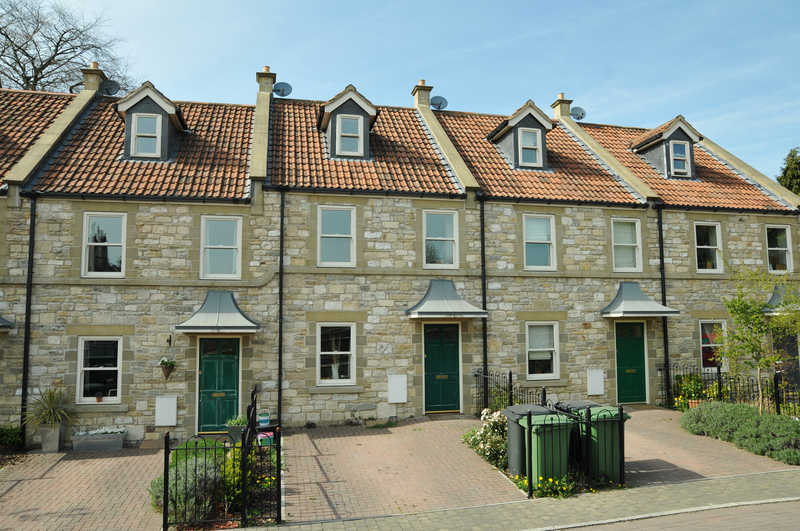
Apartment moves often need extra coordination because of lifts, shared entrances, and building rules. Terraced houses may have long staircases or limited hallway space. Larger houses can involve more furniture, more boxes, and a fuller loading process. A good moving service should be ready for all of these situations and able to adjust the team and vehicle size as needed.
It is also common for customers in Greenwich to be moving between nearby locations, whether from a riverside flat into a family home, or from a larger house into a smaller, more manageable property. Downsizing, upsizing, first-time buyer moves, and rental relocations all come with different practical needs, and a local removals team can help make the transition more controlled and efficient.
Property types that benefit from local moving support
- Modern apartment blocks and new-build homes
- Victorian and Edwardian terraces
- Maisonettes and converted flats
- Family houses with multiple floors
- Homes with narrow access or shared entrances
- Rental properties with firm move-in or move-out deadlines
Residential and commercial customers in Greenwich
Although this page focuses on household removals, many customers in Greenwich also need a service that can handle smaller commercial relocations or mixed-use moves. For example, someone may be moving home while also relocating a home office, studio equipment, or business storage items. Greenwich includes many professionals who work from home, freelancers, and small business owners who need a move that can support both domestic and work-related belongings.
If you are moving a home office, it helps to plan the move around computers, monitors, printers, files, and cabling. These items should be packed carefully and kept together where possible. For commercial customers with office furniture or stock to move, the same principles apply: clear labelling, safe loading, and sensible sequencing reduce disruption and make settling in easier. A flexible local team can help with both household and light business relocation needs.
Whether your move is purely domestic or involves a work element too, the key is to choose a service that understands the volume, timing, and sensitivity of your items. That is especially useful in Greenwich, where many customers want a neat, efficient move with minimal disturbance to neighbours, building managers, or shared spaces.
Pricing factors for home moves in Greenwich
Every move is different, which is why prices can vary depending on the details of the job. Rather than focusing only on size, it is important to think about access, distance, complexity, and any additional tasks needed on the day. A quote for a Greenwich moving service is usually shaped by several practical factors, and understanding them can help you compare options more confidently.
Key pricing factors often include the volume of items, the number of rooms, the distance between properties, the amount of packing help required, and the level of access at each address. If there are stairs, no lift, restricted parking, or long walking distances from the vehicle to the front door, the job may take longer and require more labour. Special items such as pianos, large wardrobes, or awkward furniture can also affect the plan.
It is sensible to ask for a quote that reflects your actual move rather than a rough guess. That way, you can make better decisions about whether you need full packing, partial packing, or simple transport support. A transparent quote should make it easier to budget and avoid surprises later.
What can influence the final cost
- Size of the property and number of items
- Distance between the old and new home
- Floor level and lift access
- Parking and loading restrictions
- Need for packing materials or packing services
- Dismantling and reassembly requirements
- Heavy, delicate, or unusually shaped items
Why customers choose a local company for Greenwich moves
Many people choose a local removals company because they want a service that feels personal, practical, and responsive. When you are dealing with moving deadlines, estate agents, landlords, completion times, and family schedules, it helps to speak to someone who understands the area and the pressure that comes with moving day. A local company is often better placed to respond quickly, plan efficiently, and offer realistic advice based on local conditions.
There is also a big difference between a company that knows Greenwich from a map and one that understands its streets, traffic patterns, and property styles from experience. Local knowledge can help with route planning, timing, and access solutions that reduce avoidable delays. It can also help with common issues like parking near the river, loading from narrow residential roads, or working around controlled access in apartment buildings.
For customers, this often means less stress and more control. You are not left trying to explain the same local access challenge over and over again. Instead, you can focus on the move itself, knowing the team is thinking ahead about the logistics.
Benefits of choosing local movers
- Better understanding of Greenwich roads and neighbourhood layouts
- More practical planning for access and parking
- Faster response to questions and booking needs
- Flexible support for short-notice or complex moves
- Useful advice for flats, houses, and mixed property types
Areas covered around Greenwich
Home moves in Greenwich often extend beyond the immediate town centre. Customers frequently move within the wider area or between nearby neighbourhoods, so it helps to work with a team that covers the surrounding districts as well. A local service can usually support moves in nearby parts of southeast London, including adjacent residential and riverside locations.
Areas commonly linked with Greenwich moves include Blackheath, Westcombe Park, Charlton, Deptford, Woolwich, Lewisham, Eltham, and parts of the surrounding SE postcodes. Many customers also move between Greenwich and nearby boroughs when changing jobs, upsizing, or moving closer to schools, transport, or family. If your move is staying local, a well-planned removals service can make the process feel quicker and more manageable.
If you are not sure whether your address falls within the normal coverage area, it is worth asking when requesting a quote. A good local company will be able to confirm whether the move is suitable, what vehicle or crew size might be needed, and whether there are any access issues to flag in advance.
How to make moving day less stressful
Even with a professional mover, the day itself can feel intense. There are keys to collect, final checks to complete, and a long list of small tasks to handle. The best way to reduce pressure is to keep the day simple and predictable. Have a clear plan for the order of loading, know what will travel first, and set aside the items you need to keep with you.
If possible, make sure pathways are clear, box labels are visible, and children’s or pets’ needs are already planned for. Keep any essential documents, chargers, medication, and valuables in a bag you can carry yourself. If you are moving from a flat in a shared building, inform neighbours where appropriate and check any building rules that may apply to the move.
It is also wise to keep a few basics at the new property: bin bags, cleaning cloths, bottled water, phone chargers, and a small toolkit. These small preparations can make the first evening feel far more comfortable after a full day of lifting, travelling, and unpacking.
Useful moving-day tips
- Keep essentials separate from the main load
- Label boxes clearly and consistently
- Confirm access and parking details before the crew arrives
- Take meter readings if needed
- Do a final walk-through of every room
- Leave a clear plan for where key furniture should go
Frequently asked questions
How far in advance should I book a home move in Greenwich?
It is sensible to book as soon as your moving date is known, especially at busy times of year. If your date is tied to a completion or tenancy change, early booking helps with planning and availability.
Can you help with flats and upper-floor properties?
Yes. Many Greenwich moves involve flats, maisonettes, or apartment buildings, so access planning, carrying routes, and lift use can be considered as part of the move.
Do I need to pack everything myself?
Not necessarily. Some customers prefer full packing support, while others only want help with transport and heavy items. The right option depends on your schedule, budget, and how much you want to handle yourself.
What if parking is difficult outside my property?
Parking challenges are common in parts of Greenwich. A local team can factor in loading distance, parking limits, and building access when planning the move.
Can you move items from one Greenwich address to another nearby area?
Yes, local moves between Greenwich and surrounding areas are common. Short-distance relocations still benefit from careful planning, especially when access is tight or there are time restrictions.
What should I do with large furniture that might not fit?
If you are unsure about oversized items, measure them against doorways, stairwells, and hallways before moving day. Where needed, furniture may need dismantling to make the move safer and easier.
Ready to arrange your move?
If you are preparing for a move in Greenwich and want practical support from a team that understands the area, now is the time to plan ahead. Whether you need a full household removal, help with packing, or support moving a flat or family home, the right service can make the entire process feel more manageable. Contact us today to discuss your move, ask about availability, and request a free quote tailored to your property and access needs.
From busy riverside apartments to quieter residential streets, Greenwich moves work best when they are planned carefully and handled by people who understand the realities of local access, timing, and property layouts. If you want a smoother, more organised move, book your service now and take the pressure off moving day.