Commercial Moves in Greenwich
Local, practical, and built around your business schedule

If you are planning Commercial Moves in Greenwich, you are probably balancing more than boxes and furniture. You may be coordinating staff, protecting equipment, keeping customers informed, and trying to avoid unnecessary downtime. That is exactly why a locally focused commercial removals service matters. Greenwich has a mix of busy town-centre streets, riverside developments, heritage buildings, office suites, retail units, workshops, and shared workspaces, all of which can create different challenges on moving day.
Whether you are relocating a small office, moving a shop stockroom, transferring a studio, or shifting a larger commercial operation, the right approach makes a noticeable difference. A well-planned move helps reduce disruption, protects your assets, and gives your team confidence that everything is being handled in the right order. For many businesses, the goal is simple: move efficiently, keep operations steady, and get back to work quickly.
Greenwich is also an area where local knowledge really helps. Narrow roads, controlled parking zones, busy commuter traffic, one-way systems, and mixed-use buildings can all affect access. Add in the needs of nearby commercial areas such as Maze Hill, Westcombe Park, Blackheath, Charlton, Deptford, Woolwich, and the wider southeast London area, and it becomes clear why choosing a team that understands the local layout is valuable. If you need a business move that is organised, careful, and responsive to the realities of the area, commercial moving services in Greenwich can be tailored to fit.
What commercial moving services typically cover

Commercial relocations can vary a great deal from one company to the next. Some businesses need a straightforward office move with desks, chairs, IT equipment, and filing cabinets. Others need support with heavier stock, specialist machinery, display systems, sensitive documents, or fragile equipment. A good service should be flexible enough to reflect the type of business being moved and the pace you need to keep.
When people enquire about commercial moves in Greenwich, they often want to know what is included. In practice, the service may cover:
- Pre-move planning and scheduling
- Site surveys for access and load requirements
- Packing assistance and supply of packing materials
- Careful handling of office furniture and equipment
- Disassembly and reassembly of desks and workstations
- Transportation of archives, files, and confidential items
- Relocation of stock, display units, and back-office items
- Placement of items in the new premises according to plan
- Help with move sequencing to reduce disruption
The exact scope will depend on your business type, the volume of items, and how much help you want at each stage. For example, a small professional practice in Greenwich town centre might need a focused evening move, while a larger commercial unit near the river or in an industrial estate may need a phased relocation over more than one day. A reliable local team should be able to adapt to both.
Why Greenwich businesses benefit from a local moving team
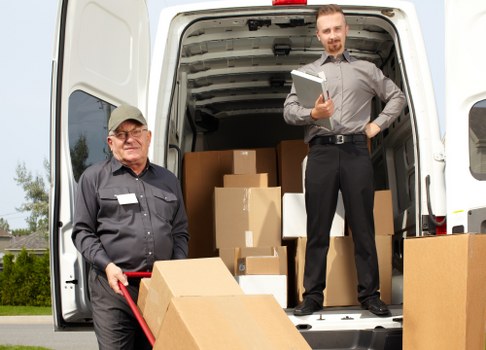
Commercial relocations are rarely just about transport. They involve timing, coordination, and problem-solving. A local mover with experience in Greenwich is often better placed to understand route restrictions, building access points, and the practical realities of moving within a busy London district. That means less guesswork and a smoother process for your staff.
Greenwich includes a wide variety of property types. You may be moving out of a period building with stairs and limited lift access, a modern office development with security procedures, or a retail space with tight loading windows. In some locations, parking close to the entrance is limited or controlled, which affects how quickly items can be loaded and unloaded. A local team can plan around these issues rather than discovering them on the day.
There is also the issue of timing. Many commercial customers want their move completed outside trading hours, on a weekend, or in carefully staged phases. Local crews are often more responsive to short lead times and can schedule around the real needs of businesses in Greenwich. This matters for offices, clinics, studios, retail units, and hospitality businesses alike.
Types of commercial moves we support in Greenwich

Every business move is different, but some common examples come up again and again. In Greenwich, commercial removals often involve a mix of office and retail environments, along with specialist premises in surrounding areas. If your business is changing location, expanding, downsizing, or reorganising your workspace, a tailored service can help manage the transition smoothly.
Examples of commercial relocation work include:
- Office moves for small teams, larger departments, and multi-room premises
- Retail moves including shopfitting items, stock, and display fixtures
- Professional services relocations for solicitors, accountants, agencies, and consultants
- Hospitality and catering moves involving equipment, storage items, and back-of-house contents
- Workshop and studio moves for creative, technical, or light industrial businesses
- Archive and document moves where organisation and care are essential
- Internal commercial moves within the same building or business park
If your business operates in or around Greenwich Peninsula, North Greenwich, Cutty Sark, Maze Hill, Charlton, Deptford, or the wider Royal Borough area, your move may also involve coordination across different access conditions. A service that understands these local differences can make the process feel far more manageable. That is especially useful when you need your team back at work quickly.
How a commercial move is usually planned

A well-run commercial move begins long before the van arrives. Planning is what keeps a business relocation organised and reduces the risk of delays. Most businesses find it helpful to work from a clear sequence so that nothing is missed and everyone knows what happens next.
Typical planning steps can include:
- Initial discussion about your business type, move date, and size of relocation
- Assessment of access, parking, stairs, lifts, and loading points
- Review of items to be moved, including bulky furniture or specialist equipment
- Agreement on packing needs, dismantling, and setup requirements
- Scheduling around trading hours, staff availability, or site restrictions
- Creation of a move plan that sets out order, timings, and responsibilities
For larger commercial moves in Greenwich, it may be useful to split the relocation into phases. That can mean moving non-essential items first, then core workstations, then the final operational equipment. For businesses that cannot afford much downtime, this approach can be especially helpful. It also gives you more control over how the new premises are set up before staff return.
Good communication is key. The smoother the information flow before the move, the easier it is to keep the day itself on track.
What to expect on moving day
On the day of the move, the main aim is to keep everything organised and protect your business assets while maintaining momentum. A commercial removals team will normally work from a pre-agreed plan, checking access routes, confirming the loading order, and handling items with care. If your premises have limited entry points or shared access with other businesses, that adds another reason why local experience is so useful.
Many Greenwich commercial customers want to avoid confusion at the old premises and chaos at the new one. That is why move-day structure matters. Furniture may need to be dismantled first, labelled properly, wrapped where needed, and loaded in a logical order so it can be set back up efficiently. Delicate equipment, files, and personal work items often need separate handling so they arrive intact and in the right place.
Depending on the size of your relocation, there may also be coordination with building managers, landlords, or site contacts. In business districts and mixed-use developments, loading times may be limited, so timing becomes a practical part of the move rather than an afterthought. A reliable commercial move should reduce stress, not create it.
Working around Greenwich access and parking challenges
One of the biggest advantages of using a local commercial moving service is practical awareness of the area. Greenwich includes busy roads, visitor traffic, and locations where parking can be limited or closely controlled. This can affect how a moving vehicle positions itself, how far items must be carried, and how much time the loading process will take.
In some parts of Greenwich, particularly near the town centre or around high-footfall destinations, it may not be realistic to park directly outside the premises. In others, nearby developments may have service entrances or specific delivery arrangements. A team familiar with these conditions can plan accordingly, helping avoid last-minute surprises. If you are relocating near Deptford, Woolwich, Blackheath, Charlton, or North Greenwich, similar planning considerations may apply depending on the building type and street layout.
This is one reason businesses often prefer a local company for commercial moves in Greenwich. It is not just about travelling a short distance; it is about understanding the everyday limitations and opportunities of moving in the area.
Preparation checklist for businesses
Preparing well can save time and reduce disruption. Even if your removals team is handling the heavy lifting, your own preparation makes a big difference to the efficiency of the move. A practical checklist helps staff stay focused and ensures important items are not overlooked.
Before moving day, consider the following:
- Back up digital files and make a plan for IT shutdown and restart
- Inform staff of timelines, responsibilities, and any access rules
- Label departments, desks, boxes, and any fragile items clearly
- Separate confidential documents from general office contents
- Decide which furniture will be reused and which items will not be moved
- Measure doorways, stairwells, and lift sizes at the new premises
- Arrange parking or loading permissions where needed
- Pack personal items separately so employees can settle in quickly
It can also help to prepare a floor plan for the new location. That way, desks, storage, and equipment can be placed correctly from the start, reducing the need for repeated lifting and repositioning. If your move includes retail stock or display materials, an itemised inventory is especially useful. The more organised the preparation, the easier it is to reopen or resume business without unnecessary delay.
For commercial customers in Greenwich who need to keep trading as normally as possible, preparation is not just helpful; it is a key part of protecting business continuity.
Pricing factors to consider
Commercial removals are usually priced according to the specific details of the move rather than a fixed one-size-fits-all figure. That is because office furniture, stock, specialist equipment, and access conditions can all affect the amount of time, labour, and transport required. Understanding the main pricing factors can help you request a sensible quote and compare options more effectively.
Common factors include:
- The volume and weight of items being moved
- Whether packing materials or packing help are needed
- Distance between the old and new premises
- Access difficulties such as stairs, lifts, or restricted parking
- Whether dismantling and reassembly are required
- Move timing, including weekend or out-of-hours arrangements
- Special handling for fragile, confidential, or high-value items
- The need for phased moves or multiple trips
When asking for a quote, it helps to be as specific as possible about your business layout and the items involved. If you are based in a shared office, serviced workspace, or older building in Greenwich, mention access details early so the estimate is realistic. That level of openness also helps avoid problems on the day.
A clear quote starts with clear information. Even if you are still finalising the move date, early enquiries can help you plan around budgets and operational deadlines.
Why businesses choose a local company over a general mover
Commercial relocation demands more than a vehicle and a few extra hands. It calls for organisation, care, and an understanding of business needs. A local company focused on Greenwich and nearby districts can offer practical advantages that matter when deadlines are tight and disruption must be kept low.
Benefits often include:
- Quicker familiarity with local roads and access routes
- Better understanding of parking limitations and loading restrictions
- More flexible scheduling for local business hours and move windows
- Experience with mixed property types, from modern offices to older premises
- Easier coordination for moves across Greenwich and surrounding areas
- Local responsiveness if plans need to be adjusted
For businesses that rely on prompt turnaround, local experience can save time at several points in the process. That includes the planning stage, move day itself, and the final setup at the destination. If your company operates near Greenwich town centre, around the Peninsula, or in one of the nearby commercial corridors, local knowledge can be a real asset.
Choosing a mover who understands the area can make your relocation feel more controlled from the outset.
Areas covered around Greenwich
Commercial clients often need support not only in Greenwich itself but across nearby neighbourhoods and business districts. A local service can be especially useful when you are moving between premises in neighbouring areas or relocating to a wider part of southeast London.
Areas commonly covered may include:
- Greenwich town centre
- Greenwich Peninsula
- North Greenwich
- Maze Hill
- Westcombe Park
- Blackheath
- Charlton
- Deptford
- Woolwich
- Plumstead
- Eltham
- Rotherhithe and nearby parts of southeast London, where applicable
If your business is moving between any of these areas, or if your premises straddle a boundary between local districts, it helps to work with a team that can cover different access conditions without complicating the process. Whether the move is a short hop across Greenwich or a more involved relocation into another commercial area, the aim remains the same: safe transport, steady planning, and minimal interruption to your work.
What makes a commercial move smoother for staff
Staff confidence matters during a relocation. People work better when they know what is happening, where items are going, and what they need to do before, during, and after the move. Even a well-run relocation can feel disruptive if internal communication is poor, so the process should be kept clear and practical.
Simple ways to help staff during the move include:
- Provide a move timeline well in advance
- Assign a point person or department lead for questions
- Label boxes and equipment by team or location
- Tell staff what should be packed personally and what will be handled for them
- Set expectations for access to IT, phones, and shared resources
- Share the floor plan or workspace layout before the move
For larger organisations, it may be worth creating a short internal move pack that covers access arrangements, building rules, and the first-day setup at the new site. That kind of preparation is particularly helpful for offices, clinics, and customer-facing businesses where team readiness affects service levels. A move is easier when everyone knows what to expect.
Handling sensitive, valuable, or business-critical items
Not every commercial move involves the same kind of cargo. Some businesses have IT hardware, files, specialist tools, exhibition materials, display stock, or other items that need extra care. These items may be central to your ability to trade, so they should be handled with a process that reflects their importance.
For sensitive business items, good practice usually includes:
- Clear labelling and inventory checks
- Separate packing for confidential records
- Protective wrapping for fragile pieces
- Careful loading to avoid pressure or movement in transit
- Delivery in an order that suits your setup sequence
If your business in Greenwich uses specialist equipment or has a large archive, these items may need more than standard packing boxes. They may need tailored handling, more time on site, or a move plan that protects continuity. That is another reason why commercial relocations should not be treated like ordinary house moves. The demands are different, and the consequences of delays can be more serious.
When business continuity matters, the move should be planned around the items you cannot afford to lose, damage, or misplace.
FAQs about commercial moves in Greenwich
Below are some of the most common questions businesses ask before arranging a relocation in Greenwich. These answers are designed to help you make informed decisions and prepare with confidence.
How far in advance should I book a commercial move?
It is best to enquire as early as possible, especially if you need a particular date, weekend scheduling, or an out-of-hours move. Early planning gives time to assess access, organise packing, and coordinate with staff or building managers.
Can a commercial move be completed outside normal business hours?
Yes, many businesses prefer evening, weekend, or phased relocations to reduce downtime. This is often especially useful for offices, retail units, and customer-facing premises in Greenwich where daytime disruption would be inconvenient.
Do you help with packing and unpacking?
Many commercial moves can include packing support, packing materials, and help placing items in the correct rooms or zones at the destination. The level of assistance depends on your needs and the size of the move.
What if my building has restricted access or no nearby parking?
This is common in parts of Greenwich and surrounding areas. A local team can plan for loading restrictions, permit needs, lifts, stairs, and distance from the vehicle to the entrance. The key is to raise access issues early so the move can be organised properly.
Can you move offices with IT equipment and confidential files?
Yes, but these items should be handled carefully and packed in a way that suits their sensitivity. Files, computers, monitors, printers, and other work equipment often need special attention so they arrive safely and can be set up efficiently.
Is a site survey necessary?
For many commercial relocations, a survey or detailed pre-move discussion is very helpful. It allows the removals team to understand the building layout, access points, and any special requirements before the move date.
What can I do to keep downtime low?
Plan early, label everything clearly, move non-essential items first, back up digital information, and make sure the new space is ready before the main relocation begins. A structured move plan is the best way to keep operations running smoothly.
Request a quote for your Greenwich commercial relocation
If you are preparing for a business move and want a service that understands the demands of Greenwich, a local removals team can help you plan the process with less stress and better control. From offices and retail units to studios, workshops, and mixed-use commercial premises, the right support can make a major difference to your timeline and your staff’s workload.
Whether you need a small internal relocation or a larger move across Greenwich and nearby areas, it is worth starting the conversation early. That gives you time to assess access, arrange packing, and choose the most practical moving schedule for your business. Contact us today to discuss your requirements, and request a free quote when you are ready to take the next step.
If you are comparing options for Commercial Moves in Greenwich, look for a service that is organised, flexible, and familiar with local conditions. The right team should help you protect equipment, reduce disruption, and get your business settled into its new space efficiently. Book your service now and make the move with confidence.